
Five minutes of calm: What a school mindfulness study suggests
An Australian pilot study found that brief, daily mindfulness practice was associated with changes in children's emotional awareness, behavior, happiness, and perceived school performance. The findings are promising—but the study's limitations matter.
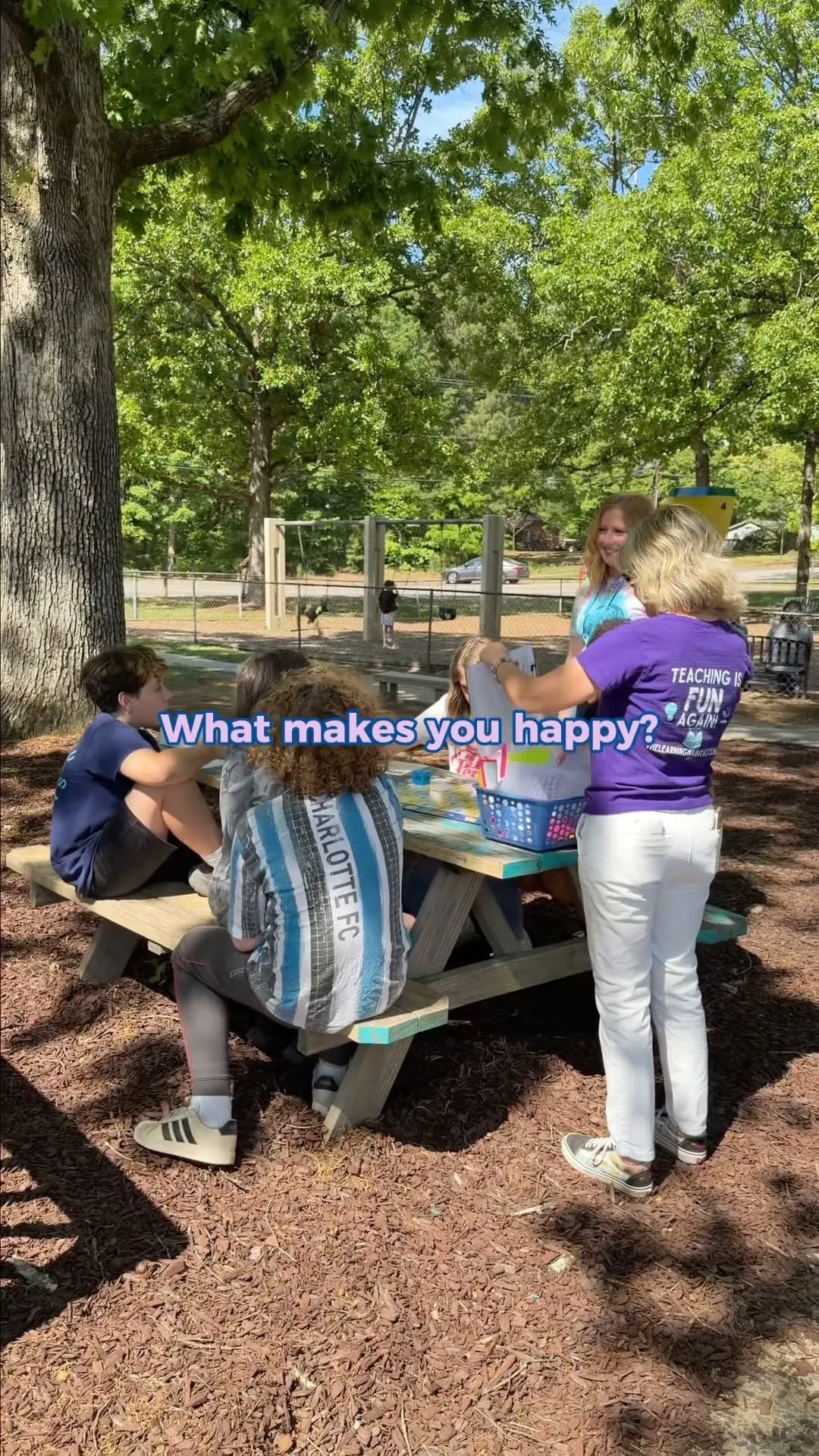
A 2024 peer-reviewed study in Psychology in the Schools examined whether short mindfulness meditation sessions could support emotional and behavioral well-being among primary school students. The study, titled “Let's keep calm and breathe,” followed 839 children at one Australian public school over a 10-week term.
The researchers were interested in a practical question: Can a brief classroom routine—five minutes for younger children and ten minutes for older students—be associated with measurable changes in self-regulation, emotional awareness, happiness, and school experience?
How the program worked
- The sample included 552 children ages 4–8 and 287 children ages 9–11.
- Students listened to guided audio meditation at the beginning of each school day for 10 weeks.
- Younger students practiced for five minutes; older students used a ten-minute version of the same theme.
- The sessions included mindful breathing, attention, gratitude, kindness, emotional awareness, and open-focus practices.
- Students completed recurring self-report measures throughout the program.
Findings among children ages 4–8
In the younger group, participation across the 10 weeks predicted increases in self-reported happiness and perceived school performance, along with decreases in emotional and behavioral difficulties. All reported relationships were statistically significant, but the amount of variance explained was small.
The distinction between perceived and objective school performance is important. The researchers asked children how they believed they were doing at school; they did not measure grades, test scores, or independently assessed academic growth. The study therefore cannot establish that meditation improved academic achievement.
Findings among children ages 9–11
In the older group, emotional awareness increased, while self-reported emotional and behavioral difficulties decreased. Emotional difficulties declined after approximately four weeks, behavioral difficulties after six weeks, and the changes remained through the rest of the program.
Happiness did not change significantly for the older students. That result is useful because it shows the intervention did not affect every outcome in the same way. Mindfulness may help children notice and regulate internal experiences without necessarily producing a broad increase in moment-to-moment happiness.
Short, consistent routines may be feasible
The study's strongest practical contribution may be feasibility. The routine fit into the beginning of the school day and required only five to ten minutes. More than 61% of the students who submitted optional comments described the meditation positively; many reported feeling calmer or more relaxed.
Student responses were not uniformly positive. Some found the sessions boring, unhelpful, too long, or difficult when classmates were talking. That variation reinforces the need for age-appropriate, flexible implementation rather than a one-size-fits-all requirement.
Why the results should be read cautiously
This was a single-arm pilot study, not a randomized controlled trial. Every participating student received the intervention, so there was no comparison group. Without a control group, changes over the term cannot be attributed to meditation alone. Time, classroom relationships, teacher expectations, approaching school holidays, or other experiences may have influenced the results.
The data were anonymous and could not be matched for individual students from week to week. Most outcomes relied on children's self-reports, and the younger group's school-performance measure reflected perception rather than objective achievement. The study also took place at one comparatively advantaged school, which limits how confidently the findings can be generalized.
The appropriate conclusion is measured: brief daily mindfulness was feasible and was associated with several positive changes, but the effects were small and causal claims require stronger controlled studies, objective measures, and long-term follow-up.
Emotional readiness is part of learning readiness
The Learning Habitat educates the whole child—physically, emotionally, and intellectually. This study fits that framework by examining how a small, intentional pause may help children notice internal states, regulate responses, and begin the day with greater awareness.
Mindfulness is not a replacement for strong teaching, individualized support, movement, outdoor time, counseling, or appropriate mental-health care. It is one possible tool within a broader environment that values calm, connection, reflection, and academic purpose.
The most useful lesson is not that every child needs the same meditation recording. It is that schools can make room for brief practices that help learners arrive, breathe, notice, and prepare—while observing carefully which approaches genuinely support each child.
Sources
- 1. Stapleton, P., Dispenza, J., Douglas, A., Dao, N. T. V., Kewin, S., Le Sech, K., & Vasudevan, A. (2024). “Let's keep calm and breathe”—A mindfulness meditation program in school and its effects on children's behavior and emotional awareness: An Australian pilot study. Psychology in the Schools, 61(9), 3679–3698.
- 2. Education Resources Information Center. ERIC record EJ1433965.